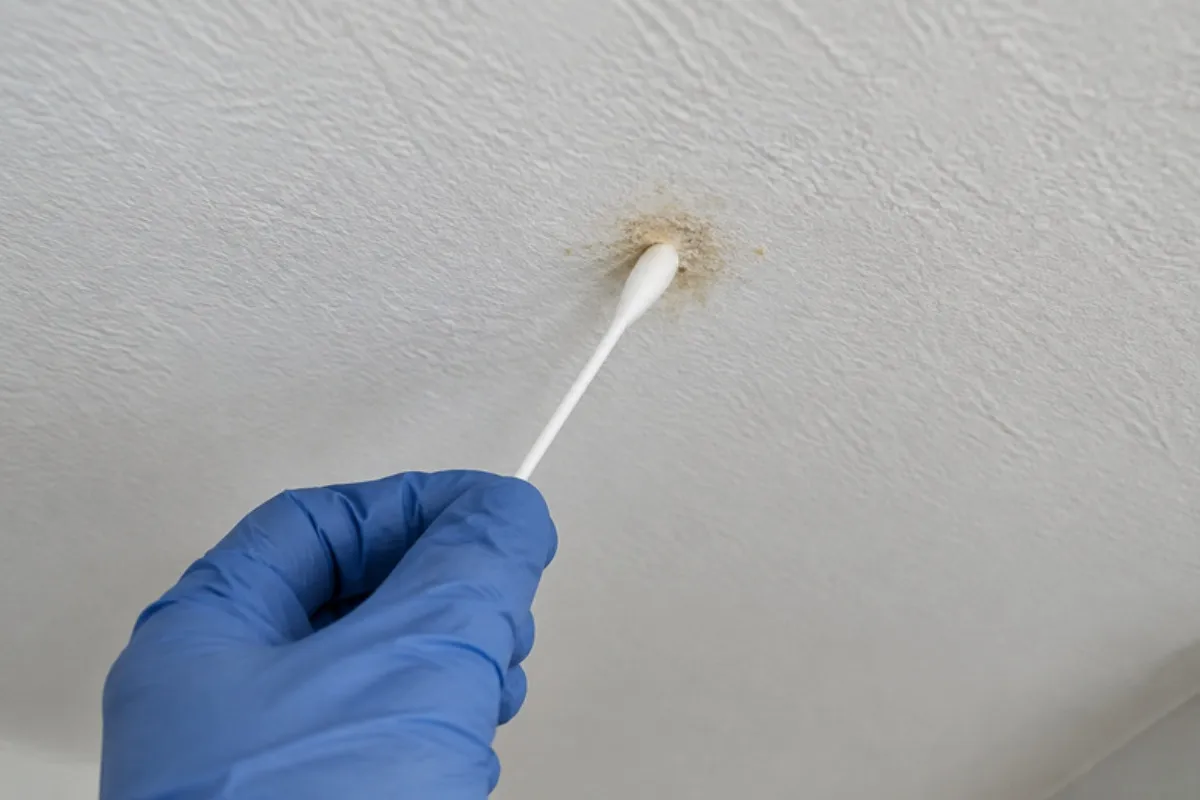
Mold testing in Columbia means sending air or surface samples to a lab to look for hidden growth or confirm that a cleanup worked. After a flood, EPA says to assume mold if a home couldn't be dried within 24 to 48 hours, so testing usually comes later, as a check. Call the number on this page to be connected with a local mold inspector in Columbia.
Columbia and the Duck River
Columbia is the Maury County seat, about 41 miles south of Nashville, and it grew up along the Duck River, the longest river entirely within Tennessee. In May 2010 the Duck at Columbia reached 44.91 feet, its seventh-highest level on record. In February 2019 it crested at 42 feet, the highest since 1991. Fire and police went door to door urging residents of the Riverside area, from 3rd Avenue south to Riverside Drive, to leave, and some buildings near the river had water inside. The Tennessee Department of Health warns that mold can start growing within 48 hours of flooding.
What to do now
- If water got in, dry the house first and pull out soaked drywall, insulation and carpet that can't be dried. Testing a wet house only confirms what you already know.
- Check the basement or lower level with a hygrometer. State health guidance notes basements are often above 50 percent relative humidity and need moisture reduction.
- Decide what you want answered. Whether growth remains behind repaired walls, or whether a cleanup worked, are good testing questions.
- Ask for an outdoor sample to go with any indoor air samples.
- Keep a folder of photos, receipts and any lab reports for your insurer or a future buyer.
Signs and their usual causes
| What you see | Likely cause |
|---|---|
| Musty smell returns in a house repaired after a past flood | Wall cavities or subfloor that were never fully dried |
| Efflorescence and damp patches on basement walls | Groundwater pressing through masonry |
| Black specks on window sills in winter | Condensation on cold glass from indoor humidity |
| Warped baseboards in a room near the river | Water wicking up from below |
Cost factors
Angi reports a national range of about $250 to $500 for a mold test, rising with the number of samples; Columbia prices vary. Wall cavity samples, a full inspection and faster lab results add to the total. Columbia takes part in the National Flood Insurance Program, and its floodplain management page links the city's FEMA flood maps; Development Services handles questions about them. If removal leads to rebuilding, the Development Services Building Inspections office on North Garden Street issues building permits.
Mold Testing questions in Columbia
Does a house need testing after it floods?
Should the area be sampled after mold removal?
Will homeowners insurance pay for mold testing?
I rent. Can a test help with a landlord who won't fix a leak?
More mold services in Columbia
Mold Testing nearby
Sources
- Wikipedia: Columbia, Tennessee
- National Weather Service Nashville: May 2010 flood, 10th anniversary
- NewsChannel 5: Duck River expected to crest at highest since 1991
- WPLN: Duck River flooding in Columbia (2019)
- City of Columbia: Floodplain Management
- City of Columbia: Building Codes
- City of Columbia: Codes Enforcement
- Tennessee Department of Health: Healthy Homes
- EPA: Homeowner's and Renter's Guide to Mold Cleanup After Disasters (pdf)
- Angi: How Much Does a Mold Inspection Cost? (2026 data)
Last updated: