In Columbia, the Duck River is the big flood risk, and buildings near it have taken water more than once. Away from the river, mold comes from the usual sources: leaks, humid crawl spaces and attics. Call the number on this page to be connected with a local mold remediation company in Columbia.
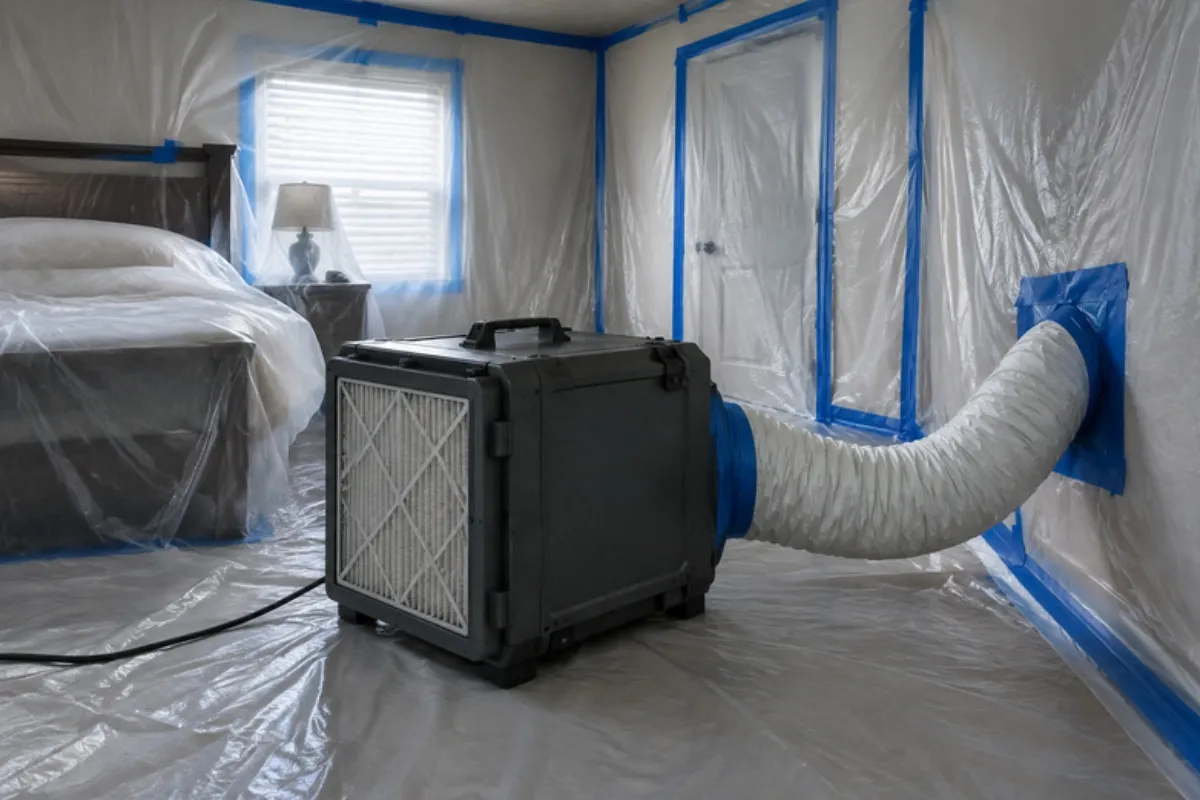
Mold services in Columbia
Columbia is the Maury County seat, about 41 miles south of downtown Nashville. It grew up along the Duck River, the longest river entirely within Tennessee. It's known as the mule capital of the world, hosts Mule Day each April, and is home to the James K. Polk Home and Columbia State Community College.
The river's record
In May 2010, the Duck River at Columbia reached 44.91 feet, its seventh-highest level on record. In February 2019 it crested at 42 feet, the highest since 1991 and about 2 feet below the 2010 level. Columbia Fire and Police went door to door urging residents in the Riverside area, from 3rd Avenue south to Riverside Drive, to evacuate. Riverside parks and lots went underwater, and some buildings near the river took on water.
For a building that flooded, EPA's guidance is that if wet materials couldn't be dried within 24 to 48 hours, mold should be assumed. The Tennessee Department of Health says mold can begin growing within 48 hours of flooding. Porous materials like carpet, insulation and drywall that soaked up river water usually have to go.
Flood maps and permits
Columbia participates in the National Flood Insurance Program and manages its floodplain under Article 6 of the city Zoning Ordinance. The city's floodplain page links its FEMA Flood Insurance Rate Map panels, and Development Services answers floodplain questions. If you're rebuilding near the river, ask about floodplain rules before work begins.
Building permits come from the Building Inspections office within City of Columbia Development Services, on North Garden Street, which also takes permit applications online. Mold removal by itself doesn't need a permit, but structural repairs after it may.
Away from the river
Most Columbia homes aren't in the Riverside area, and their mold usually comes from humidity and leaks. Middle Tennessee summers are hot and humid. Crawl spaces pull in damp air, attics trap heat and moisture, and ductwork in either place can collect condensation. EPA suggests keeping indoor humidity below 60 percent, ideally 30 to 50, and fixing any leak promptly.
Renters and health
About 37% of Columbia's occupied homes are rented. Tenants with an unfixed leak or moisture problem can contact Codes Enforcement in the city's Development Services department.
The Maury County Health Department, on Hampshire Pike in Columbia, is the local public health office. EPA says mold can irritate the eyes, skin, nose, throat and lungs; people with asthma or weakened immune systems should stay away from moldy areas. For health questions, see a health professional.
When you call
You'll reach an independent local company. Tennessee requires a contractor's license for work of $25,000 or more, and S-F is the mold remediation classification. Maury County isn't on TDCI's list of Home Improvement license counties. Check the company on TDCI's Verify a License search before work starts.
Common questions in Columbia
How high has the Duck River gotten at Columbia?
Which part of Columbia was told to evacuate in 2019?
Where do I check my Columbia flood zone?
Where can a Columbia renter report an unfixed leak?
Nearby cities and towns
Sources
- Wikipedia: Columbia, Tennessee
- National Weather Service Nashville: May 2010 flood, 10th anniversary
- NewsChannel 5: Duck River expected to crest at highest since 1991
- WPLN: Duck River flooding in Columbia
- City of Columbia: Floodplain Management
- City of Columbia: Building Codes
- City of Columbia: Codes Enforcement
- City-Data: Columbia, TN houses and residents
- Tennessee Department of Health: Local health departments
- Tennessee Department of Health: Healthy Homes
- EPA: Homeowner's and Renter's Guide to Mold Cleanup After Disasters (pdf)
- EPA: A Brief Guide to Mold, Moisture and Your Home
- EPA: Mold Cleanup in Your Home
- Tennessee Contractor Classification Outline (TDCI)
- TDCI Board for Licensing Contractors: Bidding and Contractor License Requirements (pdf)
Last updated: