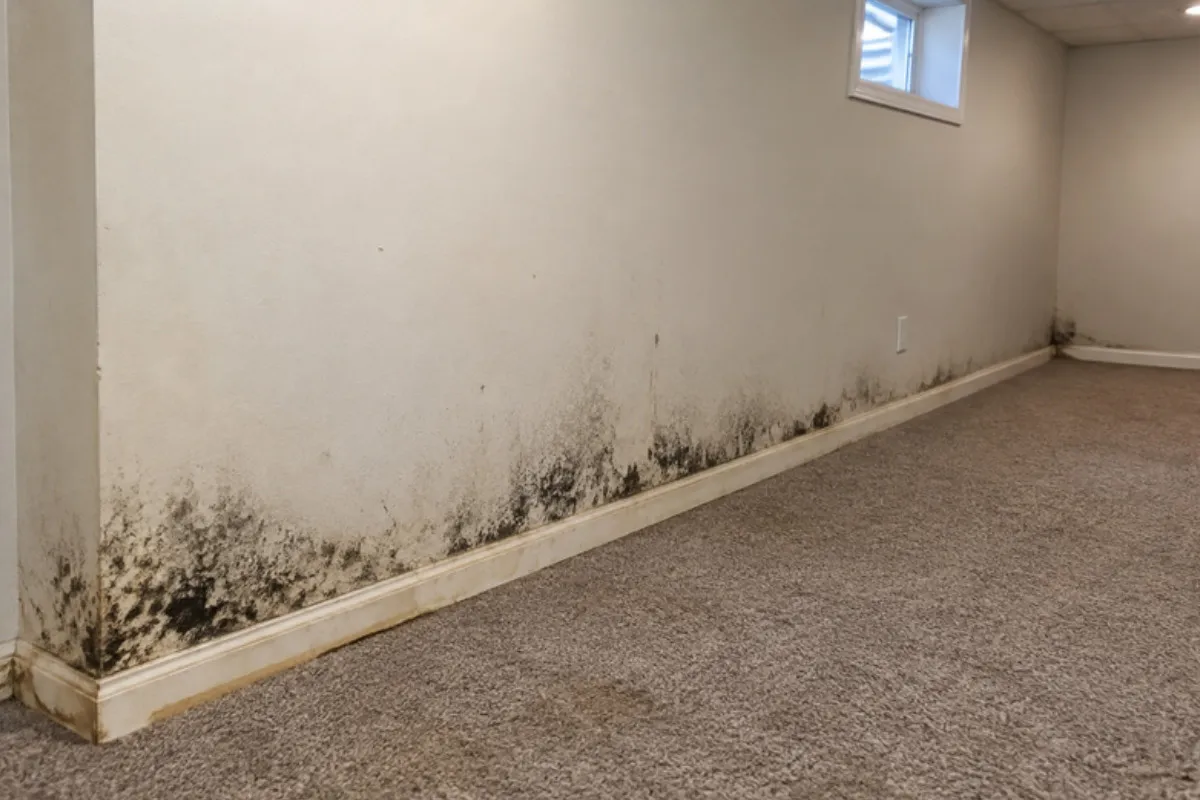
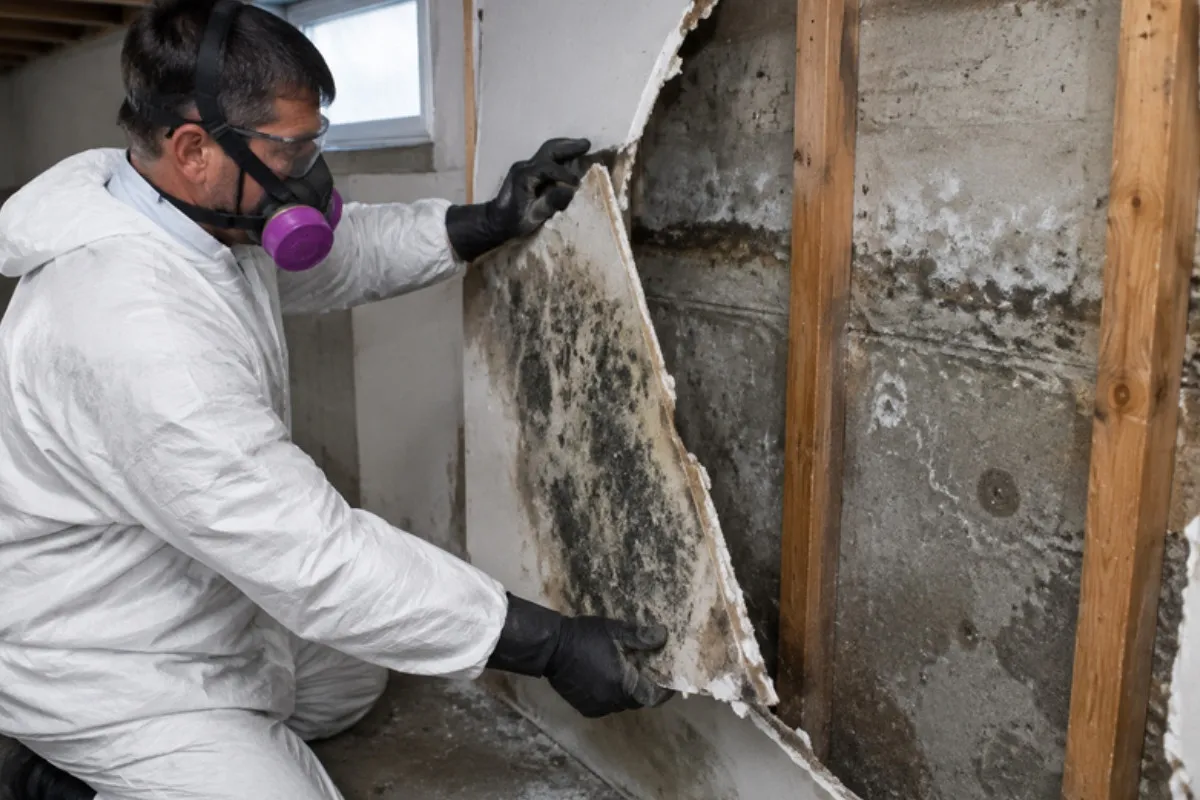
Basement mold in Old Hickory usually comes from seepage through older foundations, runoff on lots near the river and lake, plumbing leaks, or humid air condensing on cool walls. Removal takes out moldy porous materials, cleans the framing and masonry, and dries the space so it stays dry. Call the number on this page to be connected with a local mold remediation company in Old Hickory.
Old Hickory's setting
Old Hickory began as a DuPont company town on Hadley Bend, and its historic district of worker bungalows and larger management homes includes many places on the National Register of Historic Places. About 49.7 percent of homes were built before 1980, and roughly two-thirds are detached houses. The neighborhood is bounded by the Cumberland River on the north and west and by Old Hickory Lake on the east. During the May 2010 flood, the National Weather Service documented high water at Old Hickory Dam, on the lake and at a bridge across Langford Cove.
Older homes often have foundations, drains and gutters that predate modern waterproofing, and a cellar or partial basement under an old house can stay damp for most of the year. Metro Water Services points owners to FEMA flood maps and Metro's Parcel Viewer to check a lot's flood zone, and notes that land outside the mapped zone can still flood.
Cleaning versus removing
| Surface | Typical approach | Why |
|---|---|---|
| Brick, stone or block foundation | Clean and dry | Mold sits on the surface of masonry |
| Old-growth framing | Clean, dry and treat if sound | Sound wood can be saved; soft wood is replaced |
| Plaster or drywall | Often removed when moldy | Growth works into the material |
| Carpet, pad, ceiling tile | Removed | EPA notes porous materials may have to be thrown away |
| Stored books, cardboard, fabrics | Sorted; many discarded | Hard to clean once moldy |
Signs to take seriously
- A musty smell that drifts up through floor registers.
- Damp, crumbling mortar or a white crust on foundation walls.
- Mold on the bottoms of stored furniture or on the backs of framed pictures.
- Peeling paint or bubbling plaster near the floor.
- Rusty nails or hardware on basement stairs.
Seasonal notes
Spring rains are when seepage peaks, and the long, humid summer keeps a cool basement damp even without new water; EPA's target is humidity below 60 percent. If water gets in, dry it within 24 to 48 hours. Rebuilding supporting walls or load-bearing framing needs a Metro Codes permit. Renters can report unrepaired leaks to Metro Codes Property Standards through hubNashville, and Metro Public Health's Mold, Moisture, and Your Home handout covers the basics.
Basement Mold Removal questions in Old Hickory
Can I save the drywall and carpet in a finished basement?
Can I clean basement mold myself?
Should the furnace and ductwork in the basement be checked?
Will waterproof paint or sealer stop basement mold?
More mold services in Old Hickory
Basement Mold Removal nearby
Sources
- Old Hickory, Tennessee (Wikipedia)
- City-Data: Old Hickory neighborhood profile
- National Weather Service Nashville: May 2010 flood
- Metro Water Services: Know Your Flood Hazard
- Metro Codes: Residential Building Permits
- Metro Codes: Codes Violation Types
- Metro Nashville: Mold, Moisture, and Your Home (pdf)
- EPA: Mold Cleanup in Your Home
- EPA: A Brief Guide to Mold, Moisture and Your Home
Last updated: